
Traditional appearance · modern materials
uPVC sliding sash and case windows supplied and fitted across Scotland
For properties where replacement is appropriate and timber is not required, we can supply modern uPVC vertical sliding sash windows designed to echo the proportions and operation of traditional sash and case windows while offering low maintenance, modern glazing and straightforward everyday operation.
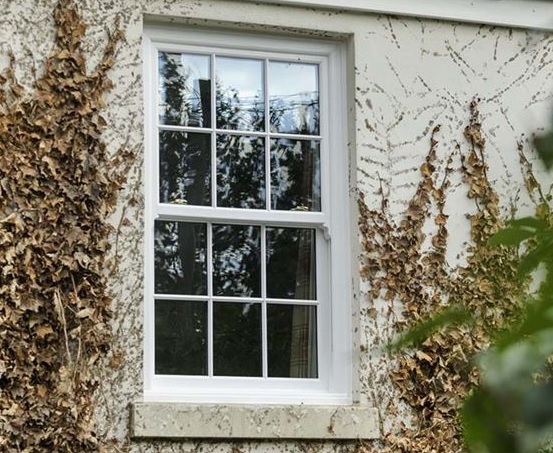
What is a uPVC sash and case window?
A modern uPVC sliding sash window has two vertically moving sashes within an outer frame. Unlike a traditional timber box sash, which normally uses cords, pulleys and counterweights, modern uPVC vertical sliders commonly use compact balance mechanisms within the side channels. This allows the sashes to move smoothly without the large weight pockets required by a traditional timber case.
Vertical sliding operation
The window opens in the familiar sash-window manner, with vertically sliding panels rather than outward-opening casements.
Spiral or spring balances
Modern balance mechanisms counteract the sash weight and are selected to suit the size and glazing specification of the window.
Low maintenance
uPVC does not require the regular external painting associated with timber joinery, although hardware, seals and balances still need appropriate care.
Traditional detailing
Depending on the chosen system, options can include sash horns, deep bottom rails, glazing bars and traditional-style hardware.
Timber or uPVC sash windows?
Neither material is automatically right for every building. Original historic timber windows are often repairable and, from a conservation perspective, retaining sound existing fabric can be preferable to replacement. Where a complete new window is justified, new timber sash and case windows remain the natural choice when authentic traditional construction, repairability and historic detailing are priorities.
uPVC can be an alternative for homeowners who want vertical sliding operation, modern double glazing and reduced painting maintenance. Read our timber vs uPVC sash window comparison before deciding.
How do spiral balances work?
A spiral balance is a compact spring-assisted mechanism fitted within or beside the sash channel. It is calibrated to counterbalance the weight of the moving sash so the window can be raised, lowered and held in position. Because the balance specification relates to sash weight, changes to the glazing or sash can affect how the window operates. Failed or incorrectly specified balances can cause a sash to drop, creep or become unusually heavy to move.
Glazing, warmth and ventilation
Modern uPVC sash windows are generally supplied as insulated glazed systems with perimeter seals. Whole-window thermal performance depends on the complete product specification, glazing, frame, installation and ventilation strategy rather than the frame material alone. For sound original timber windows, draught proofing, secondary glazing or suitable glazing upgrades may provide an alternative to complete replacement.
Period properties, listed buildings and conservation areas
Do not assume that a uPVC replacement is acceptable simply because it resembles a sash window. Planning and listed-building requirements depend on the property, designation, location and proposed design. Original timber should not be removed from a listed or sensitive historic building without establishing the relevant consent position. See our listed building and conservation window guidance and check with the relevant planning authority before commissioning alterations.
When might uPVC make sense?
- The existing window is already a modern replacement and complete renewal is justified.
- The building is not subject to restrictions requiring traditional timber construction.
- Low routine painting maintenance is an important priority.
- The homeowner wants a vertical sliding window rather than a conventional casement.
- The chosen system can achieve proportions and detailing appropriate to the building.
When should you consider retaining timber?
If original sash and case windows survive, first establish whether they can be repaired or restored. Historic Environment Scotland advises retaining and improving existing traditional window fabric wherever possible. Local timber repairs, re-cording, draught proofing, shutters and secondary glazing can all form part of that approach.
Frequently asked questions
Do uPVC sash windows use cords and weights?
Most modern uPVC vertical sliders use balance mechanisms within the frame rather than the traditional cords, pulleys and counterweights found in a timber box sash. The exact mechanism depends on the window system.
What happens if a spiral balance fails?
The sash may become difficult to lift, fail to remain open or drop unexpectedly. The balance must be identified and matched to the sash specification; it is not simply a one-size-fits-all component.
Can uPVC sash windows be double glazed?
Yes. Modern uPVC sliding sash systems are commonly designed around insulated glazing units. The exact glass and whole-window performance depend on the product selected.
Are uPVC sash windows suitable for listed buildings?
That cannot be assumed. Listed-building and conservation controls are property-specific. Obtain the appropriate planning or conservation advice before removing historic windows or changing their material and appearance.
Do you supply uPVC sash windows across Scotland?
We can discuss supply and installation for projects across Scotland, subject to project scale, location, product specification and survey.
Considering new sash windows?
We can assess the existing windows and discuss repair, new timber sash and case windows or a suitable uPVC vertical sliding option according to the building and your priorities.
Request a Free Quotation