
Heritage thermal upgrades
Heritage slimline double glazing for sash windows in Scotland
Slimline double glazing can improve the comfort of suitable traditional timber sash and case windows while protecting the proportions, opening method and character that make them worth retaining.
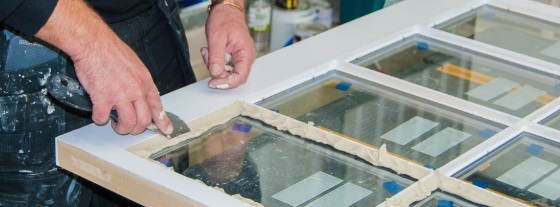
What is heritage slimline double glazing?
Conventional modern insulated glass units can be too thick for fine historic glazing bars and shallow sash rebates. Heritage slimline double-glazed units use a narrower overall build-up so that, where the joinery is suitable, improved glazing can be incorporated without giving the window an obviously bulky modern appearance.
The glass is only one part of the upgrade. Existing sashes must be structurally sound enough for the additional weight, rebates and glazing bars need adequate dimensions, and the pulley, cord and counterweight system must be adjusted so the window remains safe and pleasant to operate.
Can existing sash windows be double glazed?
Some can; some should not be. We inspect the condition and significance of the original timber, sash thickness, glazing bars, joints, historic glass and available rebate depth. Sound original joinery should be retained wherever practical. Where alteration would remove too much historic material or weaken a slender sash, secondary glazing or repair plus draught proofing may be the better route.
Slimline double glazing, vacuum glazing or secondary glazing?
Slimline double glazing
An insulated unit fitted within the sash. It can improve thermal performance while preserving traditional proportions where the joinery is suitable.
Vacuum glazing
A specialist thin glazing technology with different construction and performance characteristics. Suitability, appearance, availability and cost should be assessed for the individual project.
Secondary glazing
A separate internal glazed layer that leaves the primary sash substantially intact. It can be especially useful where historic glass or delicate joinery should remain unaltered.
Draught proofing
Discreet seals address uncontrolled air leakage around moving sashes. For many serviceable windows this is a logical early improvement before more invasive work.
Our repair-first installation process
- Survey: timber condition, sash dimensions, glazing pattern, access and existing glass are recorded.
- Options: we explain whether slimline units, vacuum glazing, secondary glazing or repair and draught proofing are appropriate.
- Joinery repairs: decay and failed joints are repaired before heavier glass is introduced. See our timber and sill repairs.
- Glazing: suitable units are fitted with careful attention to sightlines and weather protection.
- Rebalancing: cords, pulleys and counterweights are checked and adjusted for the changed sash weight.
- Finishing: glazing details and coatings are completed to protect the timber and give a traditional appearance.
Listed buildings and conservation areas
Listed status and conservation controls can affect what alterations are acceptable. Consent requirements vary with the building and proposed work, so approval should never be assumed. Our listed and conservation window guide explains the main considerations; the relevant planning authority makes the final decision.
Will heritage double glazing stop condensation?
A warmer internal glass surface can reduce the likelihood of condensation on the pane, but glazing alone cannot control household moisture. Ventilation, heating patterns, occupancy and moisture production all matter. Persistent condensation should be assessed as a building-use and ventilation issue as well as a window issue.
Grants, loans & funding
Could funding help with your traditional windows?
Some Scottish homeowners and properties may be eligible for grants, loans or local conservation funding for qualifying window repairs or energy-efficiency improvements. Schemes, eligible measures and property requirements change, so funding should always be confirmed with the official provider before work is commissioned.
Frequently asked questions
Is slimline double glazing suitable for every sash window?
No. Very slender, fragile or historically significant sashes may be better retained with repair, draught proofing and/or secondary glazing.
Will the sash still slide normally?
It should when the joinery is sound and the counterweights, cords and pulleys are correctly adjusted for the new glass weight.
Does heritage double glazing look like standard modern double glazing?
The aim is a much more discreet appearance, but unit specification and edge details vary. The correct choice depends on the window and conservation context.
Should I replace the whole window to get double glazing?
Not automatically. We assess whether sound existing fabric can be repaired and upgraded before recommending replacement.
Assess your existing sash windows first
We can inspect traditional timber windows and explain the practical options for slimline double glazing, secondary glazing, draught proofing or conservation-led repair.
Can you double glaze existing sash windows?
Sometimes. The answer depends on the sash dimensions, timber condition, glazing-bar profiles and the space available for a suitable unit. A window that appears substantial from the room may still have shallow rebates or slender bars. An inspection should establish whether the existing sashes can accept an upgrade without unsuitable changes.
What needs checking before a glazing upgrade?
- The condition of joints, rails, stiles and the surrounding case.
- The rebate depth and the sightlines of the proposed glazing.
- The size, weight and specification of each pane.
- The effect on cords, pulleys, weights and smooth sash movement.
- The importance of existing glass and any applicable conservation requirements.
Retain the sashes, replace the sashes or add secondary glazing?
Retaining sound sashes may be feasible when the proposed glass suits the existing joinery. In other cases, purpose-made replacement sashes within a sound case may be considered. That differs from replacing the entire window and should be described clearly in the quotation.
Secondary glazing adds a separate internal layer while retaining the existing external window. Its suitability depends on the reveal, shutters, opening arrangements and ventilation. It is an option to compare when altering original glass or glazing bars would be undesirable.
How do slimline and vacuum glazing compare?
Slimline sealed units and vacuum glazing use different constructions. Product-specific thickness, edge detail, size limits, installation requirements and appearance all matter; they cannot be treated as interchangeable. Our FINEO information explains the interest-registration route. Product availability and suitability must be confirmed before an order or installation commitment.
Will new glazing cure draughts and sticking?
Not by itself. Air leakage around a sash, defective cords and distorted timber require separate attention. A good specification distinguishes glass performance from repairs and any suitable draught treatment.
For a historic property, discuss the proposed alteration with the relevant planning authority before proceeding where necessary. Retaining significant original material should be part of the assessment. Compare glazing cost factors or request an assessment with clear photographs of the panes and glazing bars.
Considering quieter sash windows?
Window condition, seals and the glazing specification all affect noise reduction. Compare the options before deciding how to upgrade your existing windows.
Read our guide to acoustic glass for sash windows in Scotland, including secondary glazing, costs and practical questions.