
Reversible Heritage Upgrade
Secondary glazing that keeps original windows in place
A discreet independent glazed panel can improve warmth and sound reduction while retaining the original sash and case window, external appearance and much of the room’s historic joinery.
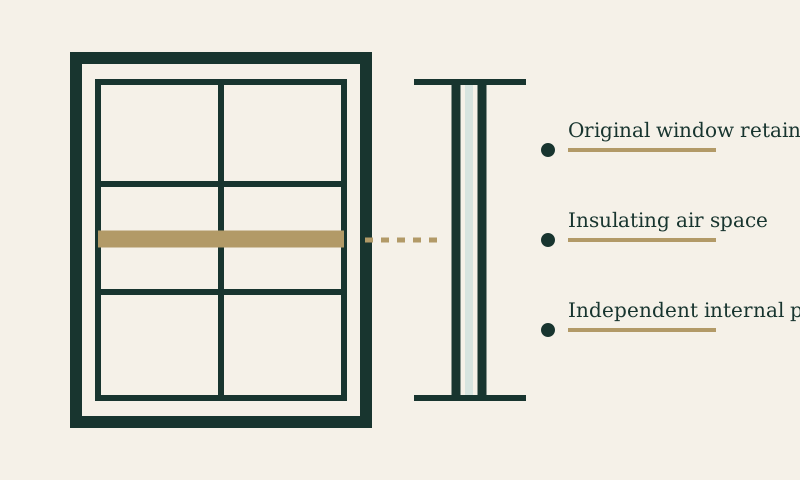
Secondary glazing for sash windows in Stirling
Secondary glazing is fitted on the room side of the existing window. Because the original sashes and external joinery remain in position, it can be particularly useful where replacing historic fabric or altering delicate glazing bars would be inappropriate. The wider air space between the two layers can also provide worthwhile acoustic benefits when the design and seals are correctly specified.
Good secondary glazing should be planned around the room and the primary window. Sightlines, opening direction, handles, shutters, blinds, curtains, access for cleaning and ventilation all affect the choice of system. A poorly considered unit may technically fit but remain awkward to use; our aim is a practical installation that looks calm and intentional.
Why homeowners choose secondary glazing
Original Fabric Retained
The primary sash window, external profiles and surviving historic glass can remain substantially unchanged.
Improved Comfort
An additional pane and sealed air layer reduce heat transfer and cold downdraughts near the window.
Noise Reduction
A suitable air gap and well-sealed secondary panel can reduce external sound entering the room.
Potentially Reversible
A carefully detailed internal system may be removed later with less alteration to the original window than replacement glazing.
Our approach
- Primary window survey: existing timber, glass, cords and closure are checked; necessary repairs should not be hidden behind a new unit.
- Room assessment: shutters, blinds, curtains, reveals, handles and cleaning access are considered.
- System selection: sliding, hinged, lift-out or fixed arrangements are compared according to the opening and how it is used.
- Careful installation: frames are aligned with the existing joinery and sealed without unnecessary disturbance.
- Operation check: both the secondary system and the original window are tested, with guidance on ventilation and cleaning.
Secondary glazing or slimline double glazing?
Slimline double glazing changes the glass within the sash and may require joinery alteration or new sashes. Secondary glazing adds a separate layer internally. The right choice depends on the window’s significance, condition, required acoustic improvement, room detailing and planning constraints. Draught proofing the primary window may also form part of a balanced upgrade.
For listed buildings and sensitive elevations, obtain appropriate advice before altering windows. Read our guide to listed building and conservation-area windows for the main issues to consider.
Frequently asked questions
Will secondary glazing stop all condensation?
No. It can improve inner surface temperatures, but condensation also depends on household moisture, ventilation and how well the primary and secondary layers are detailed.
Can I still open the original sash window?
Usually, yes. The secondary system should be selected and positioned to preserve useful access for ventilation, cleaning and maintenance.
Can it work with traditional shutters?
Sometimes. The available reveal depth and shutter movement must be assessed carefully; this is one reason a measured survey is important.
Explore a discreet comfort upgrade
We can assess your windows and explain whether secondary glazing, draught proofing or slimline double glazing best suits the property.
Request a Free Quotation