
Heritage thermal upgrades
Warmer windows without losing their character
Slimline double glazing can improve the comfort of traditional timber sash and case windows while retaining their proportions, opening method and architectural character.
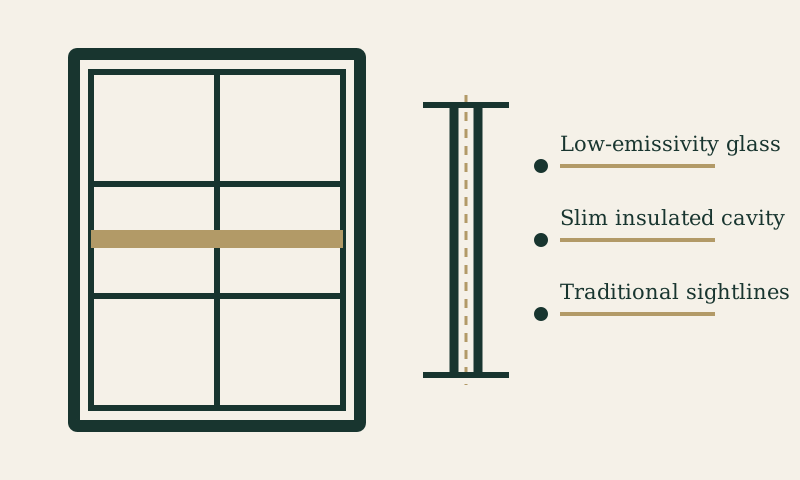
Heritage slimline double glazing in Stirling
Standard modern double-glazed units are usually too thick for fine historic glazing bars. Heritage slimline units use a narrower cavity and discreet perimeter seal, allowing suitable existing sashes—or accurately made replacement sashes—to accommodate insulated glass without acquiring a bulky modern appearance.
We begin by inspecting the condition, strength and proportions of each window. Sound original joinery should be retained wherever practical. Loose joints, decay, failed putty, worn cords and poor alignment must be addressed before heavier glass is introduced. Where an existing sash is unsuitable, we explain the reasons and the options rather than assuming that the complete window needs replacement.
What the upgrade can achieve
Better thermal performance
Two panes, a low-emissivity coating and an insulated cavity reduce heat transfer compared with ordinary single glass.
Reduced cold surfaces
A warmer internal pane can lessen cold downdraughts and may reduce condensation when ventilation and moisture levels are also managed.
Traditional appearance
Careful detailing protects slender glazing bars, balanced pane proportions and the character of the elevation.
Improved operation
The sashes are correctly balanced for the new glass weight, with cords, pulleys and draught seals checked as part of the work.
Our installation process
- Detailed survey: we assess timber condition, sash depth, glazing-bar dimensions, glass pattern and access.
- Appropriate specification: unit thickness, glass and edge detail are selected for the particular window.
- Joinery preparation: necessary timber repairs are completed without needlessly weakening historic material.
- Glazing and finishing: units are bedded, sealed and finished neatly with an appropriate heritage-compatible detail.
- Rebalancing: weights and cords are adjusted so the windows travel smoothly and remain safely in position.
Slimline double glazing or secondary glazing?
Slimline units alter the glazing within the sash. Secondary glazing leaves the primary window intact and adds a separate internal panel. The right answer depends on the significance and condition of the window, consent requirements, desired noise reduction, budget and the way the room is used.
Listed buildings and conservation areas
Consent may be required where a building is listed, and local policies can influence changes within conservation areas. Approval should never be assumed. Our listed-building window guide explains the issues to consider, but the relevant planning authority makes the final decision.
Frequently asked questions
Can every original sash be double glazed?
No. Some sashes are too slender, fragile or historically important to alter. We may recommend repair with draught proofing or secondary glazing instead.
Will the windows still slide normally?
Yes, provided the added glass weight is matched by correct counterweights and the cords, pulleys and channels are properly overhauled.
Will slimline glass eliminate condensation?
It can improve internal surface temperatures, but condensation also depends on household moisture and ventilation.
Discuss a sympathetic glazing upgrade
We can inspect your windows and explain whether slimline double glazing, secondary glazing, draught proofing or careful repair is the most appropriate route.
Request a free quotation