

Preserving Architectural Heritage: The Importance of Sash and Case Restoration
Sash and case windows are more than just functional apertures; they are the architectural soul of Scotland’s historic homes, particularly within the conservation areas of Stirling, Edinburgh, and Glasgow. These traditional timber windows, characterized by their elegant sliding mechanism and classic proportions, have stood the test of time for centuries, yet they require specialized care to maintain their structural integrity.
For homeowners in Central Scotland, choosing professional sash and case window repairs is a commitment to heritage preservation that modern uPVC alternatives simply cannot match. Unlike mass-produced modern units, original timber windows were crafted from slow-grown, high-density heartwood that is remarkably resilient to the damp Scottish climate. However, decades of exposure to wind and rain can lead to the breakdown of protective paint layers, allowing moisture to penetrate the timber.
By opting for a full restoration rather than a replacement, you not only retain the authentic aesthetic of your Victorian or Georgian property but also contribute to a sustainable circular economy. In 2025, as environmental standards like the Future Homes Standard become increasingly relevant, restoring original assets is recognized as a superior “green” choice, saving tons of carbon that would otherwise be generated in the manufacturing and disposal of new plastic frames.
2. Common Challenges: Identifying Rot, Rattles, and Broken Cords
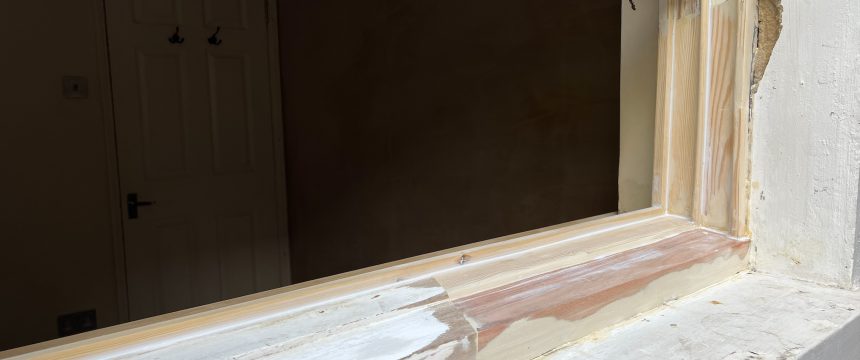
The first step in any successful timber window refurbishment is a comprehensive assessment of common mechanical and structural failures. Homeowners often encounter “painted shut” windows, snapped sash cords, or a frustrating “rattle” during the windy winter months in Stirling. These issues are typically symptomatic of underlying neglect, such as the accumulation of debris in the weight pockets or the wearing down of the internal pulleys. Rotten timber is perhaps the most significant concern, particularly in the lower sills and the “baton rods” where water tends to pool.
When you notice peeling paint or soft patches in the wood, it is vital to act quickly with professional sash and case window repairs to prevent the decay from spreading to the box frame itself. Traditional repair techniques, such as “Dutchman” repairs (splicing in new, matching timber) or using advanced wood resin systems, can effectively salvage windows that appear beyond saving. Understanding the anatomy of your windows is crucial for this process; for example, the counterbalance system of lead weights and cotton cords must be perfectly calibrated to ensure the sashes glide effortlessly. Addressing these mechanical faults not only restores functionality but also prepares the window for critical thermal upgrades.
3. Enhancing Thermal Performance with Draught-Proofing and Slimline Glazing
One of the primary reasons homeowners consider replacing their traditional windows is the perceived lack of energy efficiency; however, modern restoration techniques have bridged this gap significantly. In 2025, draught-proofing has become a standard component of high-quality sash window repairs, capable of reducing heat loss by over 80%. This process involves the discreet installation of brush seals and weather-stripping into the timber beads, effectively sealing the gaps that allow cold air to enter and warm air to escape. Furthermore, for those living in listed buildings or conservation areas where standard double glazing is often restricted, the emergence of “slimline” or “heritage” double glazing offers a revolutionary solution.
These units are thin enough to fit into the original timber sashes without altering the window’s profile, yet they provide thermal insulation that rivals modern triple glazing, with U-values as low as 1.2 W/m²K. By combining a draught-proofing system with advanced glazing, your restored sash and case windows will drastically reduce your heating bills and eliminate external noise pollution, transforming your historic home into a contemporary haven of comfort without sacrificing its period charm.
4. The Role of Traditional Materials: Why Sand Mastic Matters
A hallmark of authentic Scottish window maintenance is the use of traditional sand mastic—a specialized mixture of burnt sand and linseed oil. In many modern “quick-fix” repairs, contractors mistakenly use silicone sealants to fill the gap between the timber window frame and the stone masonry. While silicone is convenient, it is non-breathable and eventually pulls away from the stone, trapping moisture against the wood and accelerating rot. In contrast, traditional sand mastic is flexible and breathable; it moves with the natural expansion and contraction of the building and the timber.
This material has been used for over 200 years because it provides a tenacious, waterproof seal that hardens slowly while remaining supple enough to prevent cracking. At Sash and Case Window Repairs, we emphasize the replacement of old, crumbling mastic with fresh, traditionally mixed sand mastic to ensure your windows remain weather-tight for decades. This attention to detail is what distinguishes a specialist joiner from a general contractor. Using the correct materials ensures that the interface between your windows and the beautiful Scottish stonework remains protected against the elements, preserving the structural health of your property’s envelope.
5. The Economic Case: Why Restoration is a Sound Investment
From a financial perspective, the case for repairing and restoring your sash and case windows in Central Scotland is compelling. Typically, a full professional refurbishment—including draught-proofing, timber repairs, and re-painting—costs approximately 40% to 60% less than the price of a high-quality bespoke timber replacement. Beyond the immediate cost savings, well-maintained original windows are a significant asset that can increase the resale value of a property by up to 10%.
Buyers of period homes in areas like Bridge of Allan or Edinburgh’s New Town specifically look for original features, and the presence of poorly-fitted uPVC can often be a deal-breaker or a reason for a lower valuation. Furthermore, the longevity of restored timber windows is unmatched; while plastic windows have a life expectancy of 20 to 25 years before they degrade and require full replacement, a restored timber sash that is painted every 5 to 8 years can easily last another century. Investing in the expertise of a family-run specialist ensures that your home remains energy-efficient, quiet, and aesthetically stunning. By choosing restoration, you are making a savvy financial decision that pays dividends in both reduced energy costs and long-term capital appreciation.
In almost all cases, restoration is the preferred option. Original sash windows were built from high-quality, slow-grown timber that can last centuries if maintained. Restoration is typically 40–60% cheaper than a full replacement and allows you to retain the historic character and value of your property.
Yes. Most rattles and draughts are caused by gaps between the sashes and the frame. We install a discreet draught-proofing system (brush strips and weather seals) during the refurbishment process. This can reduce heat loss by over 85% and virtually eliminate external noise and rattling.
Yes, we often install slimline heritage double glazing into existing sashes. This provides the thermal benefits of modern windows while maintaining the thin, traditional “astragal” (glazing bar) profiles required for period homes and listed buildings.
For general repairs, draught-proofing, and “like-for-like” restoration, planning permission is usually not required. However, if you live in a Listed Building or a Conservation Area and want to change single glazing to double glazing, you may need “Listed Building Consent.” We can advise you on local regulations in Stirling, Edinburgh, and Glasgow.
Sand mastic is a traditional mixture of sand and linseed oil used to seal the gap between the window frame and the stone masonry. Unlike modern silicone, it is breathable and moves with the building, preventing moisture from getting trapped and causing rot in the timber case.
Most of our repairs are carried out on-site within a single day. We use dust extraction systems and heavy-duty floor protection to keep your home clean. We ensure your windows are fully secured and weather-tight at the end of every working day.
To protect the timber from the Scottish weather, we recommend repainting your windows every 5 to 8 years. Keeping the paintwork in good condition prevents water from soaking into the wood, which is the primary cause of rot and “sticking” sashes.